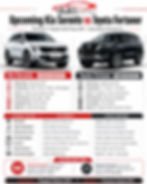
The midsize sedan segment in India is facing an electrifying resurgence. With the highly anticipated arrival of the 2026 Honda City Facelift, it is a battle for total technological and mechanical supremacy.
Hyundai’s Verna continues to be the feature-rich favorite, while the Skoda Slavia and Volkswagen Virtus duo bring European driving character at competitive prices. We break down what the City facelift changes .
A detailed comparison of the New Honda City 2026, Hyundai Verna, Skoda Slavia and Volkswagen Virtus
1. Powertrains:
Sedan
Engine Option
Power
Torque
Transmission
Key Highlight
New Honda City 2026 Petrol
1.5L i-VTEC naturally aspirated petrol
119 bhp
145 Nm
6-speed MT / CVT
Smooth, refined and reliable city-friendly petrol engine
New Honda City 2026 e:HEV
1.5L strong hybrid petrol
126 bhp
253 Nm electric motor torque
e-CVT automatic
Best for fuel efficiency and EV-like urban response
Hyundai Verna Standard
1.5L naturally aspirated petrol
113 bhp
—
6-speed MT / IVT
Practical and efficient option for regular commuting
Hyundai Verna Turbo
1.5L Turbo-GDi petrol
160 bhp
253 Nm
6-speed MT / 7-speed DCT
Most powerful sedan in the segment
Skoda Slavia 1.0 TSI
1.0L TSI turbo-petrol
114 bhp
178 Nm
6-speed MT / 6-speed AT
Affordable entry into turbo-petrol performance
Skoda Slavia 1.5 TSI EVO
1.5L TSI EVO turbo-petrol
148 bhp
250 Nm
6-speed MT / 7-speed DSG
Strong performance with Active Cylinder Technology
Volkswagen Virtus 1.0 TSI
1.0L TSI turbo-petrol
114 bhp
178 Nm
6-speed MT / 6-speed AT
Balanced turbo-petrol option with German driving feel
Volkswagen Virtus 1.5 TSI EVO
1.5L TSI EVO turbo-petrol
148 bhp
250 Nm
7-speed DSG
Performance-focused variant with Active Cylinder Technology
2. Efficiency:
Model
Engine Options
Transmission
Claimed Fuel Efficiency (ARAI)
New Honda City 2026 e:HEV
1.5L strong hybrid petrol
e-CVT automatic
27.26 kmpl
New Honda City 2026 Petrol
1.5L i-VTEC petrol
6MT / CVT
17.77 – 17.97 kmpl
Hyundai Verna Turbo
1.5L Turbo-GDi petrol
6MT / 7DCT
20.0 – 20.6 kmpl
Hyundai Verna Standard Petrol
1.5L naturally aspirated petrol
6MT / IVT
18.6 – 19.6 kmpl
Skoda Slavia 1.0 TSI
1.0L TSI turbo-petrol
6MT / 6AT
18.73 – 20.32 kmpl
Skoda Slavia 1.5 TSI EVO
1.5L TSI EVO turbo-petrol
6MT / 7DSG
19.0 – 19.36 kmpl
Volkswagen Virtus 1.0 TSI
1.0L TSI turbo-petrol
6MT / 6AT
18.45 – 20.8 kmpl
Volkswagen Virtus 1.5 TSI EVO
1.5L TSI EVO turbo-petrol
7DSG
19.62 kmpl
3. Spatial Geometry and Cabin Dynamics:
Model
Wheelbase
Boot Space
Honda City
2,600 mm
506 litres
Hyundai Verna
2,670 mm
528 litres
Skoda Slavia
2,651 mm
521 litres
Volkswagen Virtus
2,651 mm
521 litres
4. Tech Stack and Safety Protocols:
Feature
City (2026)
Verna
Slavia
Virtus
ADAS
Yes
Yes
No
No
Strong hybrid
Yes
No
No
No
Turbo petrol
No
Yes
Yes
Yes
360-degree camera
Yes
Yes
No
No
Ventilated seats
Yes
Yes
No / variant dependent
Yes / variant dependent
Electronic parking brake
Yes
Yes
No
No
Sunroof
Yes
Yes
Yes
Yes
Wireless charging
Yes
Yes
Yes
Yes
Six airbags
Yes
Yes
Standard on Slavia
Available / variant dependent
5.Price comparision:
Model
Approx. Ex-showroom Price
Honda City Facelift
₹11.99 lakh – ₹20.99 lakh
Hyundai Verna
Around ₹10.98 lakh – ₹18.4 lakh
Skoda Slavia
Around ₹9.99 lakh – ₹17.99 lakh
Volkswagen Virtus
Around ₹10.49 lakh onwards
Honda City 2026
Buy the City if you want a refined, reliable and fuel-efficient sedan. The hybrid is its biggest strength and remains unmatched in this segment. The facelift also makes the City more feature-rich than before.
Hyundai Verna
Buy the Verna if you want the most feature-loaded sedan with the biggest boot, longest wheelbase and the most powerful engine option in the segment.
Skoda Slavia
Buy the Slavia if you enjoy driving. The 1.5 TSI DSG is one of the most engaging powertrains in the segment, and the sedan also scores well on safety and road presence.
Volkswagen Virtus
Buy the Virtus if you want a premium-feeling sedan with strong driving dynamics, a large boot and VW’s solid build appeal.