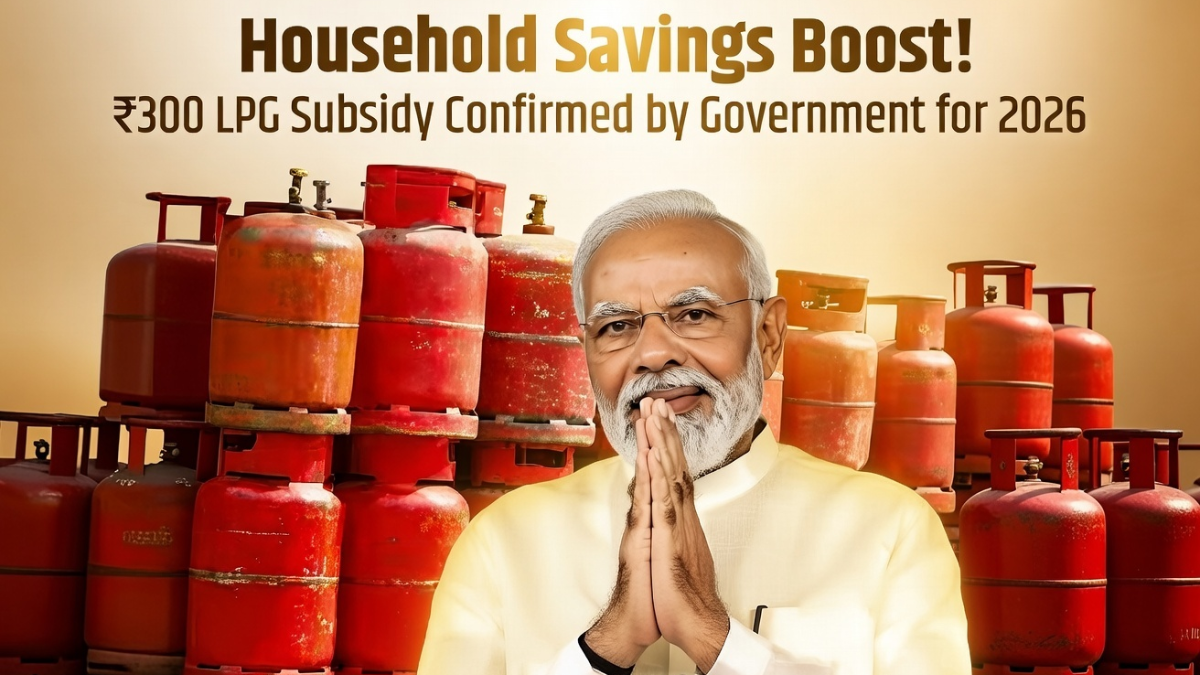
In a major relief for Indian households, the government has announced a ₹300 subsidy per LPG cylinder under the 2026 LPG subsidy scheme. This measure comes at a time when rising fuel costs are placing a significant burden on families across the country. The subsidy is expected to provide direct financial support to millions of households, helping them manage monthly expenses for essential cooking fuel.
The LPG subsidy scheme has been one of the most widely used welfare programs in India, offering financial relief to economically vulnerable families. By reducing the cost per cylinder, the government aims to ensure affordable access to cooking fuel, particularly for low-income and middle-class households. This article provides a detailed overview of the 2026 LPG subsidy, who qualifies, how to apply, and what beneficiaries should expect.
What Is the LPG Subsidy 2026
The LPG subsidy 2026 is a government initiative designed to make domestic cooking gas more affordable for eligible families. Under this program, a fixed amount, in this case ₹300, is credited to the bank accounts of beneficiaries for every LPG cylinder purchased.
The subsidy is aimed at reducing the financial strain on households, especially those with limited income. By providing direct support for essential fuel, the scheme helps families maintain their daily cooking needs without compromising on quality of life.
The subsidy is part of the government’s broader strategy to support household energy consumption and improve access to clean cooking fuel. It is available only to families registered under the official LPG subsidy program.
Who Is Eligible for the ₹300 LPG Subsidy
Eligibility for the LPG subsidy 2026 is based on several criteria:
- Families holding a valid LPG connection registered with authorized distributors
- Beneficiaries who have linked their Aadhaar with the LPG account
- Bank account linked to the LPG connection for direct benefit transfer
- Households that fall under the priority or general beneficiary categories as defined by the government
It is important that beneficiaries ensure their accounts and Aadhaar details are up to date to receive the subsidy without any delays. Families who have not completed these requirements may face difficulties in accessing the benefit.
How Much Financial Relief Can Families Expect
Each LPG cylinder will now receive a ₹300 subsidy under the 2026 scheme. For households that use multiple cylinders in a month, the total savings can be substantial.
For example, a family using three cylinders in a month could save ₹900 on fuel expenses, allowing them to allocate funds to other household necessities such as food, education, and healthcare. Over the course of a year, this subsidy can provide significant financial relief, particularly for families with fixed or low incomes.
The subsidy is credited directly to the bank account of the registered beneficiary, ensuring transparency and avoiding intermediaries.
How to Apply for the 2026 LPG Subsidy
Applying for the LPG subsidy is straightforward and can be done through official channels:
- Visit the official LPG provider portal or government subsidy portal
- Ensure your Aadhaar is linked to your LPG connection
- Provide accurate bank account details for direct transfer
- Submit any required documentation as per state or provider guidelines
Once approved, the subsidy is automatically credited to your account for every cylinder purchased, eliminating the need for manual claims or repeated applications.
Beneficiaries are advised to keep records of all transactions and monitor their bank statements to ensure timely receipt of the subsidy.
Why the ₹300 Subsidy Matters in 2026
Fuel prices have been rising steadily, putting pressure on household budgets. Cooking gas is an essential utility, and any increase in its cost directly affects families, particularly those in lower income brackets.
The ₹300 subsidy per cylinder helps bridge this gap, providing immediate financial relief and supporting households in managing their monthly expenses. By making clean cooking fuel more affordable, the scheme also encourages the continued use of LPG, reducing reliance on traditional and less healthy cooking methods such as firewood or kerosene.
In addition to direct financial benefits, the subsidy contributes to the government’s broader environmental and public health goals by promoting cleaner energy usage in domestic kitchens.
Common Questions and Clarifications
Q: Can all LPG consumers receive the ₹300 subsidy?
A: Only those registered and linked with Aadhaar and bank accounts are eligible.
Q: Is there a limit to the number of cylinders that receive the subsidy?
A: Typically, subsidies apply to a fixed number of cylinders per month per household. Beneficiaries should check the official guidelines.
Q: How is the subsidy credited?
A: Through Direct Benefit Transfer (DBT) directly into the registered bank account of the beneficiary.
Q: What happens if my details are outdated?
A: Payments may be delayed or denied. Updating Aadhaar and bank details promptly is crucial.
Monitoring and Updates
Beneficiaries should regularly check their LPG provider’s portal and official government notifications for updates. Any changes to subsidy rates, eligibility, or payment procedures will be communicated through these official channels.
Timely monitoring ensures that households receive the full benefit of the subsidy and can resolve issues quickly if payments are delayed or not credited.
Conclusion
The announcement of a ₹300 relief per cylinder under the 2026 LPG subsidy scheme is a major financial support measure for Indian households. By reducing the cost of cooking fuel, the government helps families manage their expenses and promotes access to clean energy.
Eligible beneficiaries should ensure that their LPG accounts, Aadhaar, and bank details are up to date to receive the subsidy without delay. This initiative provides tangible support for households across the country, strengthening financial stability and enhancing quality of life.
Disclaimer: This article is for informational purposes only. Beneficiaries should refer to official government and LPG provider notifications for exact eligibility, payment amounts, and procedural requirements.
“), i.text = “window._taboola = window._taboola || [];_taboola.push({mode:’alternating-thumbnails-a’, container:’taboola-below-article-thumbnails’, placement:’Below Article Thumbnails’, target_type: ‘mix’});”, n.appendChild(l), n.appendChild(i), e(n, t) } Array.prototype.filter || (Array.prototype.filter = function(e, t) { if (“function” != typeof e) throw TypeError(); let n = []; for (let l = 0, i = this.length >>> 0; l < i; l += 1) if (l in this) { let r = this[l]; e.call(t, r, l, this) && n.push(r) } return n }), window.insertAfter = e, window.getElementByXPath = t, window.injectWidgetByXpath = function e(l) { let i = t(l) || document.getElementById(“tbdefault”); i && n(i) }, window.injectWidgetByMarker = function e(t) { let l = document.getElementById(t); l && l.parentNode && n(l.parentNode) }, window.innerInject = n }();injectWidgetByMarker(‘tbmarker’);