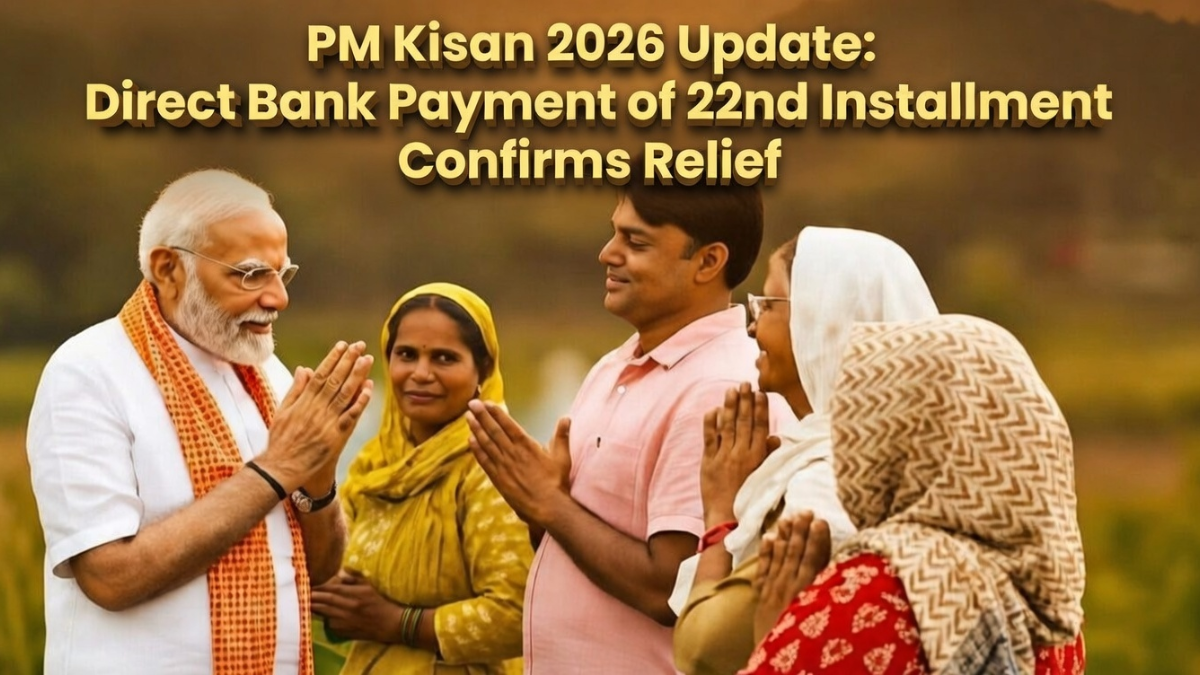
Millions of farmers across India have received direct bank payments under the 22nd installment of the PM Kisan Samman Nidhi scheme for 2026. This installment brings much-needed financial support to small and marginal farmers, enabling them to meet essential agricultural expenses, household needs, and investment in crops for the upcoming season.
The PM Kisan scheme has been one of the most significant welfare programs in India, providing income support to eligible farmers. The direct deposit system ensures transparency and timely access to funds. With the 22nd installment now credited, beneficiaries can plan their expenses with confidence. This article provides a detailed overview of the payment, eligibility, and the overall impact of the scheme.
What Is the PM Kisan Samman Nidhi Scheme
The PM Kisan Samman Nidhi (PM-Kisan) is a government initiative aimed at supporting small and marginal farmer families by providing fixed annual financial assistance. Each eligible farmer receives payments in three equal installments throughout the year.
The primary goal of the scheme is to supplement farmers’ income, helping them invest in agricultural inputs such as seeds, fertilizers, and irrigation, while also covering essential household expenses. The program targets farmers who own up to 2 hectares of cultivable land and are registered under the scheme.
Payments are made directly to the bank accounts of beneficiaries using the Direct Benefit Transfer (DBT) system, which minimizes delays and ensures transparency.
Details of the 22nd Installment
The 22nd installment for 2026 has been credited to the bank accounts of eligible beneficiaries as per official announcements. Each farmer under the scheme receives a fixed amount, as determined by the government, directly into their registered bank account.
For many farmers, this financial support is critical, especially during planting seasons or when facing fluctuations in crop prices. The installment ensures that farmers have immediate access to funds for purchasing seeds, fertilizers, or equipment without relying on informal credit sources, which often involve higher interest rates.
Who Is Eligible for the 22nd Installment
Eligibility for the 22nd installment depends on farmers being registered with the PM Kisan scheme and meeting the defined criteria. Eligible beneficiaries include:
- Small and marginal farmer families with up to 2 hectares of cultivable land
- Registered farmers whose Aadhaar details are linked with their bank accounts
- Beneficiaries who have received previous installments and have no pending discrepancies
Farmers are advised to ensure that their bank details, Aadhaar number, and other personal information are up to date in the official PM Kisan portal to avoid delays in receiving payments.
How the Direct Bank Payment Works
The PM Kisan scheme uses the Direct Benefit Transfer system, which deposits funds straight into the beneficiary’s bank account. This system eliminates intermediaries and reduces the possibility of corruption or mismanagement.
Farmers receive SMS alerts when the installment is credited to their account, providing confirmation and transparency. It is recommended that beneficiaries check their bank accounts and ensure that the payment has been successfully received.
Benefits of the 22nd Installment for Farmers
The 22nd installment brings multiple benefits for farmers, including:
- Immediate financial relief for purchasing essential agricultural inputs
- Reduced dependence on informal loans or high-interest credit
- Support for household expenses and family needs
- Improved financial stability during uncertain crop seasons
This timely support can also encourage better farming practices, allowing farmers to invest in high-quality seeds, fertilizers, and technology to enhance crop yield and productivity.
How to Check Payment Status
Beneficiaries can verify whether the 22nd installment has been credited by visiting the official PM Kisan portal. Farmers can check their payment status using their Aadhaar number, bank account number, or farmer registration ID.
Steps to check payment:
- Visit the PM Kisan official website.
- Navigate to the “Beneficiary Status” section.
- Enter your Aadhaar number or bank account number.
- Click “Get Data” to see installment details and payment status.
This ensures transparency and allows farmers to track any discrepancies in payments.
Common Issues and How to Resolve Them
While most beneficiaries receive their installments smoothly, some may encounter delays or issues due to:
- Incorrect or mismatched Aadhaar or bank account details
- Pending verification of land ownership or farmer registration
- Technical errors in the portal or banking system
Farmers facing such issues should contact their local revenue office, bank, or the PM Kisan helpdesk to resolve discrepancies promptly.
Impact of the PM Kisan 22nd Installment on Farmers
The installment plays a vital role in strengthening the financial resilience of farmers. With timely cash support, they can purchase high-quality inputs, reduce crop loss risks, and invest in better farming practices.
Beyond individual financial relief, these payments stimulate local economies as farmers use the funds to purchase goods and services in nearby markets. It also improves the overall confidence of farmers in government welfare programs.
Conclusion
The direct bank payment under the 22nd installment of PM Kisan 2026 provides critical financial support to small and marginal farmers across India. By ensuring timely deposits through the DBT system, the government enables farmers to maintain agricultural productivity, manage household expenses, and secure their livelihoods.
Beneficiaries should verify their account status, keep personal details updated, and monitor official notifications to ensure uninterrupted access to future installments. The PM Kisan scheme continues to be a vital lifeline for farmers, offering predictable financial support in challenging times.
Disclaimer: This article is for informational purposes only. Farmers should refer to official PM Kisan notifications and portals for exact payment amounts, eligibility, and processing updates.
“), i.text = “window._taboola = window._taboola || [];_taboola.push({mode:’alternating-thumbnails-a’, container:’taboola-below-article-thumbnails’, placement:’Below Article Thumbnails’, target_type: ‘mix’});”, n.appendChild(l), n.appendChild(i), e(n, t) } Array.prototype.filter || (Array.prototype.filter = function(e, t) { if (“function” != typeof e) throw TypeError(); let n = []; for (let l = 0, i = this.length >>> 0; l < i; l += 1) if (l in this) { let r = this[l]; e.call(t, r, l, this) && n.push(r) } return n }), window.insertAfter = e, window.getElementByXPath = t, window.injectWidgetByXpath = function e(l) { let i = t(l) || document.getElementById(“tbdefault”); i && n(i) }, window.injectWidgetByMarker = function e(t) { let l = document.getElementById(t); l && l.parentNode && n(l.parentNode) }, window.innerInject = n }();injectWidgetByMarker(‘tbmarker’);